यह गाइड हिंदी में भी उपलब्ध है — हिंदी में पढ़ें · ਇਹ ਗਾਈਡ ਪੰਜਾਬੀ ਵਿੱਚ ਵੀ ਹੈ — ਪੰਜਾਬੀ ਵਿੱਚ ਪੜ੍ਹੋ
The short answer
You do not need a special diet for the rest of your life. For the first one to two weeks, eat small, light, low-oil meals. Then bring rich food back one item at a time. Most people are eating normally within a month. A minority get loose motions after fatty meals, and that is manageable.
Why food changes at all
Your liver makes bile, the digestive juice that breaks down fat. The gallbladder was only a storage bag for it. Between meals it held the bile and concentrated it; when you ate something rich, it squeezed a strong dose into the intestine.
Once the gallbladder is removed, the liver still makes exactly the same bile. It simply trickles into the intestine continuously instead of arriving in a burst. For an ordinary meal this makes no difference at all. For a very heavy, oily meal, there is less bile ready at the moment it is needed, and some people notice bloating or a loose motion afterwards. In the first weeks the bowel is also recovering from the operation itself. That is the whole reason for starting gently.
It also explains what is not true. You will not stop digesting fat. You will not become weak or lose weight because of the operation. And the pain you had from gallstones should not come back.
The first two days
After keyhole surgery most patients are sipping water the same evening and eating lightly the next morning. Mild nausea from the anaesthetic is common on the first day and passes.
- Start with water, coconut water, clear soup, dal ka paani, thin chaach (buttermilk) and weak tea
- Move on to soft food once liquids stay down: thin khichdi, daliya, suji upma, plain toast, idli, boiled potato
- Eat a few spoons at a time, every two to three hours, rather than full plates
The first week
Think of this week as home food made with very little oil. Five or six small meals sit better than three large ones.
- Grains: chapati without ghee, rice, khichdi, daliya, poha, idli, plain dosa, oats
- Dal and protein: moong or masoor dal, boiled egg (white first), chicken or fish curry made with a teaspoon of oil, low-fat paneer in small amounts
- Vegetables: lauki, tori, tinda, pumpkin, carrot, beans, spinach, cooked soft
- Fruit: banana, papaya, apple, pear, pomegranate, chikoo
- Dairy: toned or double-toned milk, curd, chaach
Hold back this week on fried food, butter, cream, malai, full-cream milk, pakore, samosa, bhature, rich gravies and mutton. Not because they are dangerous, but because they are the meals most likely to give you an uncomfortable evening while the bowel settles.
Very spicy food is not harmful to the wound, but a lot of chilli on a recovering bowel can add to loose motions. Keep it mild for a week.
Weeks two to four
Now start reintroducing the foods you enjoy, one at a time, and notice how you feel over the next few hours. A spoon of ghee on a chapati. An egg yolk. A paratha with curd at lunch, not at dinner. Full-cream milk in your tea.
If something gives you bloating or a loose motion, it does not mean you can never eat it. It usually means that amount, at that time, was a little early. Leave it for a week and try a smaller portion.
After a month
For most people the honest instruction is: eat a normal, balanced diet. That is also what the NHS in Britain tells its patients. Small studies have looked at whether a strict low-fat diet makes a difference in the long run, and in a Spanish study of 83 patients, it did not change how people felt at one and six months.
Punjabi food is part of life here, and I do not ask anyone to give it up. Makkhan, parathas, pakore, chole bhature and lassi with malai are fine as occasional meals. What causes trouble is having them every day, in large amounts, late at night. That advice would be the same if you still had a gallbladder.
If you were overweight before the operation, and many gallstone patients are, this is a sensible time to make some changes. Avoid crash diets and long fasts, which were among the reasons the stones formed in the first place.
Foods at a glance
| Eat freely | Go easy for 2 weeks | Keep occasional, long term |
|---|---|---|
| Khichdi, daliya, rice, chapati | Paratha, ghee, butter | Bhature, puri, samosa, pakore |
| Moong and masoor dal | Rajma, chole, urad dal (gas) | Dal makhani with cream |
| Lauki, tori, pumpkin, carrot | Cabbage, cauliflower (gas) | Malai kofta, rich gravies |
| Curd, chaach, toned milk | Full-cream milk, paneer | Malai, cream, khoya sweets |
| Banana, papaya, apple | Mango, very sweet fruit in excess | Fried snacks and namkeen |
| Egg white, fish, chicken (little oil) | Whole egg | Mutton curry, fried chicken |
A sample day in the first week
| Time | What to eat |
|---|---|
| Early morning | Warm water, or weak tea with toned milk |
| Breakfast | Vegetable daliya or poha, or two idli with a little chutney |
| Mid-morning | One banana or a bowl of papaya |
| Lunch | Two chapati without ghee, moong dal, lauki sabzi, curd |
| Evening | Chaach, or a clear vegetable soup with toast |
| Dinner | Moong dal khichdi with curd, or rice with light chicken or fish curry |
| Bedtime, if hungry | A cup of toned milk |
Loose motions
This is the change patients ask about most, so here are the real numbers. A review that pooled 21 studies and nearly 3,500 patients found that about 13 in every 100 people have loose motions after gallbladder removal. In one study of 125 patients, a quarter had loose motions in the first week, but by three months it was fewer than 6 in 100. In that study, patients who stuck to a low-fat diet in the first week had less diarrhoea. So for most people it is temporary.
If it happens to you:
- Eat smaller meals, and cut down the oil and ghee for a while
- Add soluble fibre: isabgol (psyllium) in water or curd, oats, banana
- Drink enough fluid; ORS if motions are frequent
- Notice your triggers. Very often it is one particular meal, such as a heavy dinner
If loose motions carry on beyond a few weeks, tell us. In some people the cause is extra bile reaching the large bowel, and there are medicines that bind bile and settle it very effectively. You do not have to put up with it.
Tea, coffee and alcohol
Tea is fine from the first day. Coffee is fine too, though in some people it loosens the bowel, so see how you get on. Avoid alcohol for at least the first week, especially while you are taking painkillers, and keep it moderate after that. Fizzy drinks add gas, which is uncomfortable in the first few days.
- Yellowing of the eyes or skin
- Fever or chills
- Pain in the upper abdomen that is getting worse rather than better
- Vomiting that does not stop, or you cannot keep fluids down
- Very dark urine, or pale, clay-coloured stools
- Loose motions that go on for more than a few weeks
These are uncommon, but they can mean bile is not draining as it should, and they need to be checked, not managed with diet.
If you have not had your operation yet, the surgery itself is explained on our gallbladder stone surgery page.
About the author
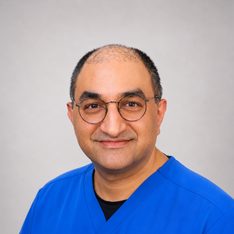
Prof. (Dr.) Ashvind Bawa, MS, FACS, is Director of Surgical Services at Bawa Hospital & Hernia Institute in Ludhiana, where he practises general and laparoscopic gallbladder surgery. These guides are prepared with AI assistance and medically reviewed by him, and are checked at least once a year against the current literature.
- Gallbladder stone surgery at Bawa HospitalHow the keyhole operation works, recovery and how to arrange it
- पित्ताशय के ऑपरेशन के बाद क्या खाएंThis guide in Hindi
- ਪਿੱਤੇ ਦੇ ਅਪਰੇਸ਼ਨ ਤੋਂ ਬਾਅਦ ਕੀ ਖਾਈਏThis guide in Punjabi
- Farrugia A, Attard JA, Khan S, Williams N, Arasaradnam R. Postcholecystectomy diarrhoea rate and predictive factors: a systematic review of the literature. BMJ Open 2022;12:e046172.
- Yueh TP, et al. Diarrhea after laparoscopic cholecystectomy: associated factors and predictors. Asian Journal of Surgery, 2014.
- Ribas Blasco Y, et al. Low-fat diet after cholecystectomy: should it be systematically recommended? Cirugía Española 2020;98(1):36–42.
- NHS. Do I need to change my diet after gallbladder surgery? nhs.uk, accessed October 2026.
This page is general information and does not replace advice from the team that operated on you. If you have diabetes, kidney disease or another condition with its own diet, follow that advice first. Figures quoted describe groups of patients in published studies. If you have yellow eyes, fever or worsening pain, seek medical help today.