If the area is hot, swollen and very painful right now, stop reading about money. That is an abscess and it needs draining today. Sort the price of planned surgery out afterwards.
The range you will run into
Across private hospitals in India, published estimates for laser pilonidal surgery sit somewhere between about ₹40,000 and ₹90,000. The average usually quoted is near ₹60,000. Delhi, Mumbai and Bengaluru run at the top of that band. Smaller cities, Ludhiana included, generally run below it for comparable care.
You will notice we do not publish a fixed figure of our own on this page. That is deliberate, and not because we are hiding anything. A price quoted before anybody has looked at you is an average, not an estimate. Until somebody has seen how many tunnels there are, how far they run, and whether the area is infected at this moment, the number is arithmetic on a spreadsheet rather than a plan for your operation.
The nine things that move it
How much disease there is
One short tunnel is a different afternoon's work from four branches running out sideways. More disease means longer in theatre, sometimes more than one pass with the fibre, occasionally a decision to change technique mid-operation.
Whether the tunnel is cleaned with a telescope
Passing a fine fistuloscope in first, so the hair and debris can be seen and removed rather than guessed at, costs more in equipment and in theatre time. Whether it improves the result is not settled. A 2026 review that pooled all the published studies found the two approaches came out much the same on healing and recurrence, and pointed out that the endoscopic kit and the training cost more. I use it because finding a side branch matters, but I am not going to pretend the evidence proves my preference. If two quotes differ sharply, this is often why, so ask which one you are being offered.
The laser fibre itself
Single use, and a genuine consumable rather than a mark-up. It is the main structural reason laser costs more than scalpel and dressings.
The anaesthetic
A local injection is cheapest. A spinal or a general adds the anaesthetist's fee and the monitoring that goes with it. The choice is clinical, based on the extent of disease, your other conditions and how you feel about being awake, but it does land on the bill.
Day care or an overnight stay
Most laser closures are day-care. If you live three hours away, or you have other health problems, or the operation turned out bigger than expected, you stay, and room charges start.
Room category
Where a stay is needed, most hospitals link theatre and consultation rates to the room class you choose, so picking a higher category moves more than just the bed charge.
Scans beforehand
Blood tests are cheap. An MRI or an ultrasound to map complicated or recurrent tunnels is not. Where the anatomy is unclear I would still ask for one, because operating on disease you have not fully seen is the more expensive mistake.
Your general health
Diabetes, obesity and smoking all slow healing. Any of them may mean more preparation beforehand, closer follow-up afterwards, or a longer course of dressings. Diabetes in particular is far better sorted out before the operation than after it.
Whether this is the first operation or the third
Operating through scar tissue from earlier surgery takes longer, is technically harder, and more often needs imaging first.
The cost most people forget to count
Comparing surgeons' fees alone is the commonest mistake I see. The real comparison includes the weeks you are not fully working, and the dressings somebody has to do.
| Laser closure | Open surgery, healing on its own | |
|---|---|---|
| Time to heal | about four weeks | about two months, range four weeks to six months |
| Dressings | few | regular, often for weeks |
| Back to light work | one to three days | commonly weeks |
| Procedure fee | higher | lower |
For a man who drives his own truck, or runs a shop on Chaura Bazaar, six extra weeks of restricted work is a much bigger number than the gap between the two surgical fees. For somebody on a salary with paid sick leave, the sum comes out completely differently. Neither answer is wrong. It just needs to be your sum, done with your real figures, rather than a general claim that one operation is cheaper.
For a man who drives his own truck, six extra weeks of restricted work is a bigger number than the gap between the two surgical fees.
Insurance, and the clause that catches people
Pilonidal sinus surgery is medically necessary, not cosmetic, so most indemnity health policies in India cover it, laser included. Three things decide whether yours actually pays out.
The first is your waiting periods; check whether they have passed for this condition. The second is network status, which decides whether you go cashless or claim reimbursement afterwards. The third is the day-care clause, and this is the one that catches people. Laser closure often does not need a 24-hour admission, and policies that require a minimum stay may not respond unless the procedure appears on the insurer's day-care list.
Get the confirmation in writing, naming the procedure, before you are admitted. A helpful voice on a helpline is not the same thing, and arguing about it afterwards is much harder than settling it beforehand.
What a proper estimate should list
Ask for it itemised, on paper, with all of these on it: the surgeon's fee, the anaesthetist's fee, theatre charges, the laser fibre and other consumables, the room or day-care charge, pre-operative tests, medicines, dressings, and follow-up consultations.
Then ask the question most people forget. What happens to the price if the disease turns out to be more extensive once the operation has started? Any hospital should be able to answer that without hesitating.
Is the cheapest option ever right?
Sometimes, yes. For a small, simple, first-time sinus in somebody who can genuinely afford a few weeks of restricted activity, a cheaper straightforward procedure can be an entirely sensible choice, and I have recommended exactly that.
It becomes a false economy when the cheap operation treats extensive disease inadequately and the sinus comes back. A recurrence means another operation, on harder tissue, with a lower chance of working. If you are weighing this up, it is worth reading the comparison of laser against open and flap surgery before you decide on price alone, and the main guide to pilonidal sinus and its laser treatment if you are still working out what you are dealing with.
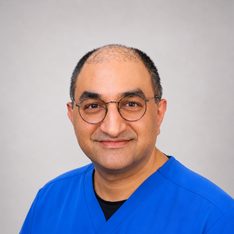
About the author
Prof. (Dr.) Ashvind Bawa, MS, FACS, is Director of Surgical Services at Bawa Hospital & Hernia Institute in Ludhiana, where he practises general and laparoscopic surgery. He writes these guides himself and reviews them at least once a year.
- The lump near your tailbone that nobody talks aboutWhat a pilonidal sinus is, why it happened to you, and what laser treatment involves
- Recovery, week by weekSitting, driving, the gym, and the six signs that mean pick up the phone
- Laser, open surgery or a flap?All five operations compared, and what actually decides between them
- Cost ranges are indicative market estimates from publicly available Indian healthcare price aggregators. They are not a quotation from this hospital.
- Healing times: Dessily M, et al. Techniques in Coloproctology 2019;23(12):1133–1140; SiLaC with EPSiT, Frontiers in Surgery, 2025; and the pooled figures in the systematic review and meta-analysis, Langenbeck's Archives of Surgery, 2026.
- Return-to-work figure of 92.3 per cent within 24 hours: Frontiers in Surgery, 2025.
- Day-care definitions follow the standard wording used by Indian insurers, under which day-care lists are illustrative rather than exhaustive.
Cost figures on this page are indicative market ranges from published sources, not a quotation. What you are charged depends on findings that can only be assessed by examining you. This page is general information and does not replace a consultation.